Visiting the Eiffel Tower: The Ultimate Guide for First-Time Travelers
Few structures on Earth capture the global imagination quite like the Eiffel Tower. Rising gracefully above the Parisian skyline, this masterpiece of nineteenth-century engineering is the definitive symbol of France and a bucket-list destination for millions of travelers worldwide. Originally constructed as a temporary exhibit for the 1889 World’s Fair, the Iron Lady defied critics of her time to become the most visited paid monument in the world.
However, because of its immense popularity, visiting the Eiffel Tower requires more than just showing up at its base. Without a solid plan, you can easily find yourself spending hours waiting in lines rather than enjoying the breathtaking views of Paris. To ensure your visit is magical and stress-free, here is a comprehensive guide to navigating this iconic landmark.
1. Booking Your Tickets Wisely and Early
The absolute golden rule of visiting the Eiffel Tower is to book your entry tickets online well in advance. Tickets on the official website typically go on sale up to two months ahead, and they sell out incredibly fast, especially during peak travel seasons like summer, spring break, and the year-end holidays.
When booking, you will need to make two important decisions:
- The Level: Decide whether you want to go up to the Second Floor or all the way to the Summit. The Second Floor offers the clearest architectural views of Parisian landmarks, while the Summit provides an unparalleled panoramic view of the entire metropolitan area.
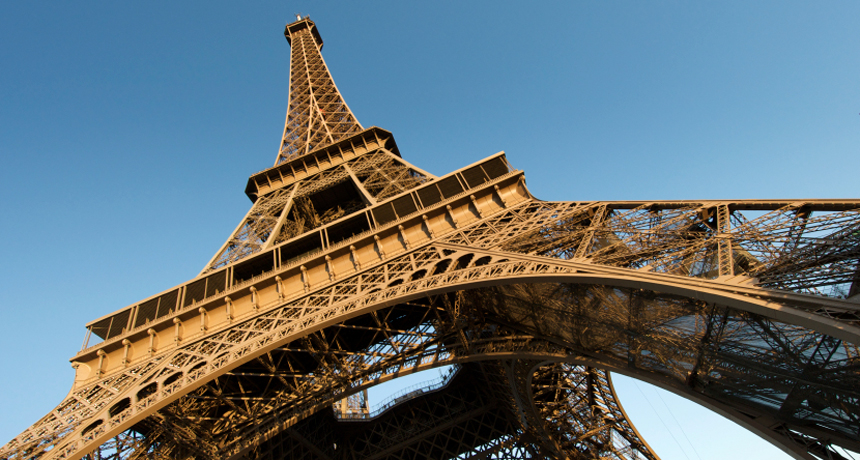
- The Access Method: You can choose between taking the lift (elevator) or climbing the stairs. Taking the stairs to the second floor is significantly cheaper, less crowded, and offers a unique perspective on the tower’s intricate iron framework. However, it requires climbing 674 steps, so a reasonable level of physical fitness is necessary.
If official tickets are completely sold out for your dates, look into booking guided tour options or reservation packages at one of the tower’s onsite restaurants, which often include monument access.
2. Timing Your Visit for the Best Experience
The atmosphere at the Eiffel Tower shifts dramatically depending on the time of day you choose to visit. Each timeframe offers a distinctly unique perspective of the city below.
If you want to avoid massive crowds, aiming for an early morning slot right when the monument opens is your best strategy. The morning light is crisp, the security queues are generally shorter, and the esplanade below is relatively peaceful.
Alternatively, booking a late afternoon or sunset slot allows you to experience the best of both worlds. You can watch the golden hour glow settle across the River Seine, and then watch the city transition into the “City of Light” as twilight fades. Do stay long enough to see the sparkle show: every hour on the hour from nightfall until 1:00 AM, twenty thousand golden lights flash across the structure for five magical minutes.
3. Navigating Security and Onsite Practicalities
Due to its high-profile nature, safety measures at the Eiffel Tower are highly thorough. The entire perimeter underneath the tower is enclosed by a secure glass barrier, and all visitors must pass through security checkpoints to enter the esplanade, even if they do not plan to go up the tower.
To speed up your entry process, keep these practical tips in mind:
- Travel Light: Large luggage items, bulky backpacks, and sharp objects are strictly prohibited inside the monument, and there are no luggage storage lockers available onsite.
- Dress for the Elements: The wind speeds increase significantly as you ascend the tower. Even on a warm summer day, the upper platforms can feel surprisingly cold and drafty. Bringing a light jacket or windbreaker is always a smart choice.
- Arrive Early: Aim to arrive at least thirty minutes prior to the time slot printed on your ticket to account for the security screening queues.
4. Finding the Best Photography Spots Nearby
While being inside the tower offers panoramic views of Paris, you cannot actually see the beautiful architecture of the tower itself while standing on it. To capture those classic, postcard-perfect travel photographs, you need to head to the surrounding neighborhoods.
The most famous vantage point is the Trocadéro Gardens, located directly across the River Seine. Its elevated viewing platforms offer a completely unobstructed, symmetrical view of the entire structure. For a more relaxed setting, head down to the Champ de Mars, the expansive green lawns stretching out directly behind the tower. It is the perfect spot to pack a picnic blanket, enjoy some French cheese and baguettes, and take casual photos framed by the local trees.
Conclusion
A visit to the Eiffel Tower is a timeless travel experience that fully lives up to its immense reputation. By booking your tickets early, choosing your ideal time of day, preparing for the security process, and exploring the surrounding viewpoints, you turn a potentially chaotic tourist outing into a smooth, deeply rewarding adventure. Treat the Iron Lady with patience, and she will reward you with memories that last a lifetime.